Frequently Asked Questions
What maintenance tips are essential for pools?
Essential maintenance tips for pools include regularly checking and balancing chemical levels, cleaning filters and skimmers, maintaining water levels, and inspecting equipment for wear. Consistent maintenance ensures a safe and enjoyable swimming environment.
How can I determine pool repair needs?
Determining pool repair needs involves regularly inspecting the pool for visible damage, checking for leaks, assessing water clarity, and monitoring equipment performance. Consulting a professional can also provide insights into necessary repairs and maintenance.
When is the best time for pool remodeling?
The best time for pool remodeling is typically during the cooler months, from fall to early spring, when demand is lower and weather conditions are more favorable for construction and renovations.
What are common issues in pools and spas?
Common issues in pools and spas include water chemistry imbalances, leaks, equipment malfunctions, and surface damage. Regular maintenance and inspections can help identify and resolve these problems promptly, ensuring a safe and enjoyable swimming experience.
How often should I inspect my pool?
The frequency of pool inspections should be at least once a month. Regular inspections help identify potential issues early, ensuring your pool remains safe and well-maintained throughout the year.
What factors affect pool construction costs?
The factors that affect pool construction costs include the pool size, materials used, design complexity, site conditions, and additional features like lighting or landscaping.
What are the benefits of regular pool maintenance?
The benefits of regular pool maintenance include improved water quality, prolonged equipment lifespan, and enhanced safety for swimmers. Consistent upkeep helps prevent costly repairs and ensures your pool remains a clean and inviting space for enjoyment.
How can I choose the right pool materials?
Choosing the right pool materials involves considering factors like durability, maintenance, aesthetics, and budget. Research various options such as concrete, fiberglass, or vinyl, and consult with professionals to find the best fit for your needs.
What safety measures should I consider for pools?
Safety measures to consider for pools include installing barriers like fences, using pool covers, ensuring proper signage, and having life-saving equipment readily available. Regular supervision and educating children about water safety are also essential for preventing accidents.
How can I improve pool energy efficiency?
Improving pool energy efficiency involves using a variable-speed pump, maintaining proper water chemistry, and utilizing a solar cover to reduce heat loss. Regular maintenance and energy-efficient equipment can significantly lower energy consumption and costs.
What are the steps for pool renovation?
The steps for pool renovation include assessing the current condition, designing the new layout, obtaining necessary permits, demolishing old structures, making structural repairs, updating plumbing and electrical systems, resurfacing, and finally, adding new features and landscaping.
How do I prepare my pool for winter?
Preparing your pool for winter involves several key steps: clean the pool thoroughly, lower the water level, add winterizing chemicals, and cover the pool securely to protect it from debris and freezing temperatures.
What are common signs of water damage?
Common signs of water damage include discoloration on walls or ceilings, peeling paint, mold growth, a musty odor, and warped flooring. These indicators suggest moisture issues that may require immediate attention to prevent further damage.
How can I enhance my pool’s aesthetics?
Enhancing your pool's aesthetics involves incorporating features like stylish lighting, vibrant landscaping, decorative tiles, and water features. These elements can create a visually appealing environment that complements your outdoor space.
What resources help with DIY pool repairs?
Resources that help with DIY pool repairs include instructional videos, online forums, and comprehensive guides available on pool maintenance websites. Additionally, local hardware stores often provide expert advice and materials for common pool repair tasks.
What are effective pool cleaning techniques?
Effective pool cleaning techniques include regular skimming to remove debris, vacuuming the pool floor, brushing walls and tiles, and maintaining proper chemical balance to prevent algae growth. These practices ensure a clean and healthy swimming environment.
How can I troubleshoot pool equipment issues?
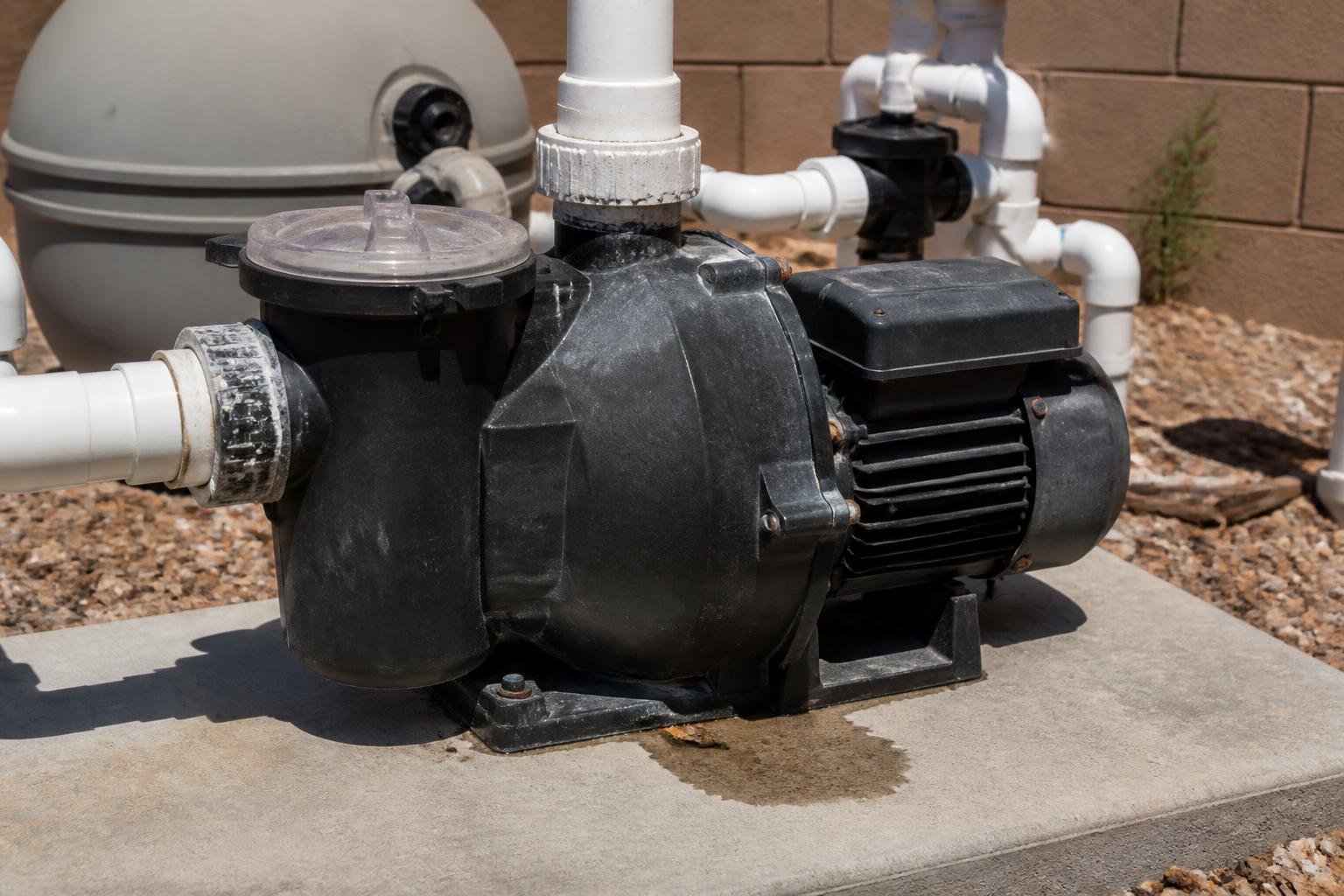
Troubleshooting pool equipment issues involves checking power connections, inspecting for leaks, and ensuring proper water levels. Additionally, verify that filters and pumps are clean and functioning correctly to maintain optimal performance.
What permits are needed for pool construction?
The permits needed for pool construction typically include a building permit, electrical permit, and possibly a zoning permit, depending on local regulations. It's essential to check with your local municipality for specific requirements.
How do I maintain pool water chemistry?
Maintaining pool water chemistry involves regularly testing pH, chlorine, and alkalinity levels, adjusting them as needed, and ensuring proper circulation and filtration. Regularly adding chemicals and monitoring water quality will keep your pool safe and enjoyable.
What are the latest trends in pool designs?
The latest trends in pool designs include naturalistic shapes, integrated landscaping, smart technology features, and eco-friendly materials, creating a seamless blend of aesthetics and functionality that enhances outdoor living spaces.
How can I prevent mold around my pool?
Preventing mold around your pool involves regular cleaning and maintenance. Ensure proper water circulation, keep the pool area dry, and use mold-resistant materials for landscaping and decking to minimize moisture buildup.
What should I consider before pool installation?
Before pool installation, consider factors such as your budget, available space, local regulations, and maintenance requirements. Additionally, think about the type of pool that best suits your lifestyle and the long-term value it will add to your property.
How do weather conditions affect pool maintenance?
Weather conditions significantly affect pool maintenance. Factors such as temperature, rainfall, and humidity influence water chemistry, debris accumulation, and evaporation rates, requiring adjustments in cleaning and chemical treatments to ensure optimal pool health.
What services do pool inspection companies offer?
Pool inspection companies offer a range of services, including thorough evaluations of pool safety, equipment functionality, structural integrity, and compliance with local regulations, ensuring that homeowners can maintain a safe and enjoyable swimming environment.
What should homeowners know about pool warranties?
Homeowners should know that pool warranties cover specific components and services, often including construction defects, equipment failures, and repairs. It's essential to understand the terms, duration, and limitations of the warranty to ensure proper coverage.
How can I find reliable pool service providers?
Finding reliable pool service providers involves researching local companies, reading customer reviews, checking credentials, and asking for recommendations from friends or family. Additionally, ensure they offer a range of services and have a good reputation in the community.
What innovative features can I add to my pool?
Innovative features you can add to your pool include smart lighting systems, automated cleaning technologies, energy-efficient heating options, water features like fountains or waterfalls, and integrated sound systems for a luxurious experience.
What is the lifespan of common pool materials?
The lifespan of common pool materials varies significantly. For example, fiberglass pools can last 25-30 years, while concrete pools may have a lifespan of 50 years or more with proper maintenance. Vinyl liners typically need replacement every 5-9 years.
How can I keep my pool safe for children?
Keeping your pool safe for children involves several key measures. Install a secure fence with a self-latching gate, use pool covers when not in use, and ensure children are always supervised while swimming.
What are the most common pool maintenance myths?
The most common pool maintenance myths include the belief that chlorine is the only chemical needed for clean water, that pools don’t need maintenance in winter, and that a dirty pool can be cleaned by simply adding more chemicals.
 Call Now